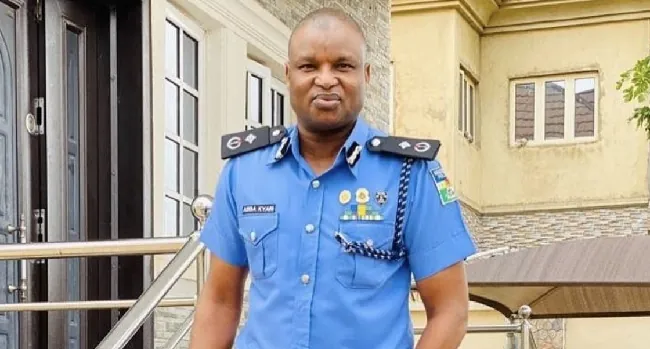
The International Human Rights Commission (IHRC) office Nigeria has called for a national dialogue consolidating the growing public and stakeholders’ call for a strategic and conditional presidential pardon for embattled Deputy Commissioner of Police (DCP) Abba Kyari, noting the rising threats to Nigeria’s internal security.
The commission stated this in a statement issued by H.E. Ambassador (Dr.) Duru Hezekiah, its Head of Diplomatic Mission in Nigeria, and made available to newsmen on Friday in Abuja.
IHRC which affirmed its respect for the ongoing judicial proceedings against the suspended DCP said, the call was not aimed at influencing court decisions, but to seek consideration of strategic national interests, especially if not feasible during the trial’s course.
“Our position is not to circumvent justice or interrupt legal processes.
Rather, we urge a future-focused, constitutionally grounded approach that recognizes the tactical value of experienced security personnel—if found eligible under law and subject to public accountability.”
While reaffirming its commitment to justice and the rule of law, the IHRC proposed that Nigeria could consider conditional clemency, citing Section 175 of the 1999 Constitution (as amended), which empowers the President to potentially grant pardons and reprieves.
“Globally, there are precedents where convicted individuals with valuable operational expertise have been reintegrated into national service through conditional frameworks—under strict legal and ethical oversight.
“In the United States, law enforcement agencies have regularly offered plea bargains or deferred sentencing in exchange for intelligence or cooperation.
Former hackers have been recruited by governments to assist in cybersecurity defenses.
“In post-conflict African states, ex-warlords have been granted conditional amnesties to enable peace and stability,” it said.
The IHRC emphasized that such conditional clemency should not be viewed as forgiveness, but as a pragmatic tool of national security strategy, particularly when the individual involved has demonstrated proven tactical and intelligence capabilities that could aid national stability, if lawfully and transparently redeployed.
“A conditional pardon for Kyari—subject to public accountability—could transform a controversial figure into a rehabilitated asset in Nigeria’s fight against crime,” the commission added.
According to the organization, President Bola Tinubu is uniquely positioned to lead this historic decision with the support of the Nigerian people.
“Let this be a defining moment where justice, constitutionality and national interest align to restore peace and confidence in our security framework.
“We are not advocating impunity. We propose a rehabilitative, oversight-driven reintegration process prioritizing public interest and national security, particularly if trial timing is not feasible.”
The commission called on stakeholders, including civil society, legal experts, human rights defenders and security policymakers, to begin constructive conversations about how Nigeria could harmonize justice with national resilience.
“This is a call for strategic statecraft, not political favoritism.
In times of national crisis, justice must be redemptive as well as corrective.
“If used wisely, conditional clemency can serve as a bridge between law enforcement accountability and long-term peace building.”
Kyari, once hailed as Nigeria’s most celebrated anti-crime officer, led critical operations against kidnapping syndicates, narcotics networks and terrorism cells.
However, his career faced a dramatic downturn following his 2022 indictment in cocaine deal and subsequent ongoing prosecution for alleged misconduct and criminal conspiracy by the National Drug Law Enforcement Agency (NDLEA).
The IHRC’s position is expected to spark broad conversations around justice sector reforms, national security priorities and the constitutional use of presidential powers in post-trial contexts.